
Case study · Hospitality
Mtoni River Lodge.
A destination, rediscovered.
A hospitality digital transformation project.
A heritage riverside property in Arusha with deep on-site value — rebuilt as a discoverable, bookable destination brand.
01 · Client Overview
A river lodge with quiet authority.
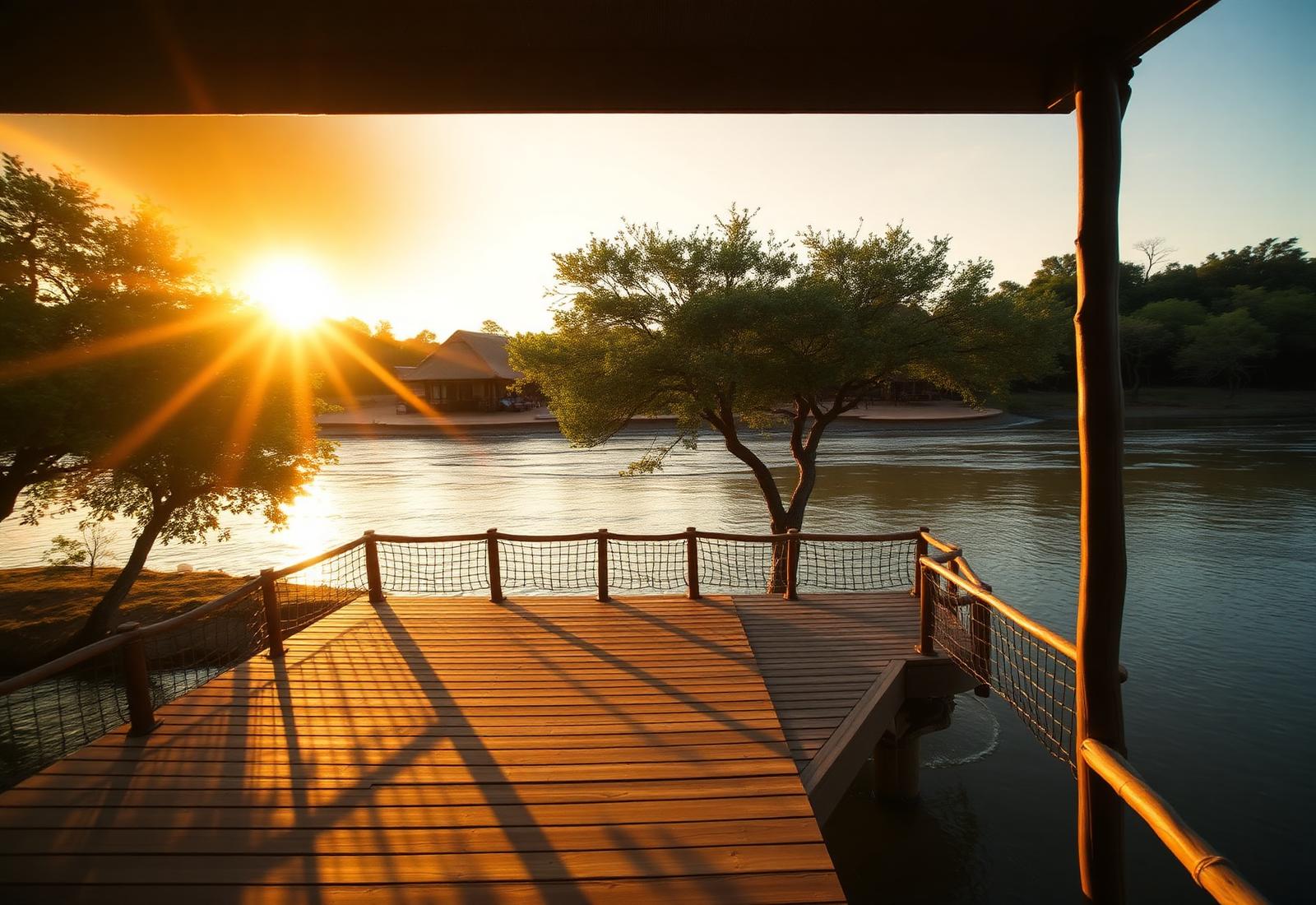
Mtoni River Lodge is a nature-led hospitality property in Arusha, gateway to Kilimanjaro and Tanzania's northern circuit. The on-site experience was already exceptional — the digital presence hadn't caught up.
02 · The Challenge
A property bigger than its digital footprint.
Challenge · 01
Weak online visibility
The property sat below travel-intent searches around Arusha and Kilimanjaro.
Challenge · 02
Low direct bookings
Reliance on OTAs squeezed margin and diluted the guest relationship.
Challenge · 03
Outdated website
A dated presence undersold the on-site experience and craft.
Challenge · 04
Poor user experience
Content, discovery and booking paths were fragmented.
03 · Discovery
Before recommendations, research.
- 1
Research
Traveller journeys, seasonality and Kilimanjaro-region booking behaviour.
- 2
Competitor analysis
Positioning audit of regional lodges — messaging, price cues, discovery footprints.
- 3
Business objectives
Anchor the engagement on direct-booking growth and brand authority.
- 4
Audience understanding
Segmented eco-luxury, expedition and diaspora visitor profiles.
04 · Strategy
Treat Mtoni as a destination brand ecosystem.
The thinking behind every recommendation was consistent: turn the lodge into something a traveller could discover, trust and book — without a middleman.
- Reposition Mtoni as a Kilimanjaro retreat, not another lodge listing.
- Move from a website project to a destination brand ecosystem.
- Prioritise search-intent that leads to bookings over vanity traffic.
- Balance emotional storytelling with practical booking triggers.
05 · Execution
Implementation across six streams.
Branding
- ▸Voice, tone and identity refinement
- ▸Story pillars anchored in river & land
Website
- ▸Restructured IA around traveller intent
- ▸Editorial content system
- ▸Booking-oriented hierarchy
SEO
- ▸Kilimanjaro & Arusha keyword architecture
- ▸FAQ structuring for AI/search visibility
- ▸On-page technical fixes
Photography & Content
- ▸Story-led image direction
- ▸Guest-experience narrative
Booking Flow
- ▸Direct enquiry & booking path
- ▸Trust cues at decision points
Performance
- ▸Core Web Vitals pass
- ▸Fast, image-optimised delivery
06 · Impact
Business value created.
Business Value Created
- ▸One connected guest journey from discovery to confirmed booking.
- ▸Direct-booking and payment capability owned by the property, not a marketplace.
- ▸A brand presentation that matches the standard of the physical experience.
- ▸A content system the team can operate without developer involvement.
- ▸Structured foundations ready for AI concierge and automation layers.
Performance figures are shared only where the client has documented and approved them.
07 · Technologies Used
A modern, integrated stack.
08 · Gallery
The visual system in context.
09 · Lessons Learned
What this project taught us.
Hospitality is a discovery problem, not a design problem.
The biggest lift didn't come from redesign — it came from being findable to the right traveller at the right moment.
Integrated systems beat isolated channels.
Brand, search and booking behave as one system. Optimising one alone doesn't move the business.
UX directly shapes direct bookings.
Small friction fixes — trust cues, decision copy, mobile flow — compound into meaningful revenue shifts.
Related Services
The disciplines behind this work.
Related Industry
Sector expertise.
Related NoVA Capabilities
Where this work goes next.
Related Case Studies
More transformation stories.
11 · FAQ
Project questions.
Building a destination, lodge or hospitality brand? Let's talk.
Inspired by this transformation
Discover the same opportunity in your hospitality business.
You have just read how Mtoni River Lodge was rebuilt. Assess where the property stands, then get a sequenced 90-day transformation roadmap.
- Assess Hospitality Digital Maturity Assessment
- Understand Nolmark Intelligence diagnosis
- Proof Mtoni River Lodge case study
- Transform Hospitality & Tourism practice
- Continue NoVA continuous intelligence